I offer online sessions via videoconference, by appointment.
This format offers greater availability and flexibility.
To ensure that the sessions take place under the best possible conditions, make sure that:
– you have a computer with a camera, microphone, speakers and a good internet connexion ;
– you are in a quiet room where you can speak freely without being disturbed.
For those without internet access, support is available entirely by telephone.

Booking contact
time windows
FEEs
Length of a session
session Frequency
Method of payment
* Students, job seekers, people receiving social welfare benefits, refugees, and asylum seekers.
FIRST session FREE OF CHARGE
The decision to go into therapy is in itself a difficult one. I offer you a free initial session to make the process more accessible to you.
What will the first session be like?
Together we’ll make sure that therapy is the right form of support for your situation.
I will present my working methods to you so that you can assess whether they meet your expectations and needs.
Together, we will test our understanding, because having a good therapeutic alliance between the analysand and the analysed is crucial to the effectiveness of any follow-up.
Once we decide to work together, we will agree on the frequency of future sessions.
Let’s make an appointment!
Please send me a message via WhatsApp or via email specifying your needs and your usual availability so that I can offer you an appointment. You can also directly book an appointment online via Calendly software. Find de booking contact info above.
Cognitive and behavioural Therapy (CBT)
Psychological counselling may be appropriate if:
- you suffer from anxiety, stress, feelings of sadness, insomnia or a lack of self-confidence;
- you need support during a difficult period (separation, bereavement, illness, redundancy, gender transition, harassment, verbal and/or physical abuse, expatriation, etc.) or if you are going through an existential crisis;
- you suffer from a psychiatric pathology (anxiety disorders, bipolar disorder, depression, dissociative disorders, obsessive-compulsive disorders, somatic disorders, disorders associated with trauma or stress)*;
- you suffer from a personality disorder (paranoid, antisocial, borderline, narcissistic, dependent)*;
- you want to start working on yourself to satisfy a desire for introspection;
* Certain psychiatric pathologies and personality disorders also require appropriate medical supervision.
For all these cases, cognitive and behavioural therapies (CBT) are recommended as a possible care approach by health authorities and are considered to be the most effective by scientific research.
Based on advances in neurocognitive and psychosocial sciences, CBT focuses first on alleviating the symptoms of a mental health problem in order to get through the acute episode, then on identifying cognitive distortions and patterns that limit the person’s life in order to be able to relax them. Great importance is placed on listening and understanding emotions, as well as on the relationship with the body, in order to better regulate mood.
They involve exercises and active participation during and between sessions.
The diversity of tools used in CBT means that I adapt to the needs of each individual.
- Cognitive restructuring: identifying and replacing maladaptive, irrational and harmful thoughts, in order to change your dysfunctional behaviours
- Mindfulness meditation: learning to focus attention on the sensory experience and mental states of the present moment, to get out of automatic mode and self-judgement.
- Behavioural experimentation or role-playing: testing the validity of your beliefs by carrying out planned activities or role-playing.
- Motivational interviewing: increasing intrinsic motivation to change by taking account of individual ambivalence.
- Graduated exposure: learning to reduce the stress associated with an anxiety-provoking or phobogenic stimulus.
- Schema therapy: identifying and alleviating the harmful effects of early maladaptive schemas developed in childhood or adolescence on our perceptions, emotions, beliefs and behaviour.
Art-therapy
I am also trained in cognitive-behavioural art therapy, which I incorporate into my practice if it proves particularly useful in the process or if you want to.
- Art therapy: this method uses the medium of art (such as writing, drawing, theatre, dance or singing) to provide easier access to emotions and thoughts when these are difficult to verbalise or difficult to access consciously.
Stimulating creativity also encourages self-reflection, reduces stress and anxiety, and boosts self-satisfaction and motivation.
Walking therapy in Paris
Walking can be included as a support for therapeutic work
Walking therapy is a psychotherapy session conducted outdoors, while walking, rather than in an office or via teleconsultation. It is fully grounded in a cognitive-behavioral therapy approach and respects the same clinical framework, the same objectives, and the same confidentiality as a traditional session.
A structured and hybrid framework
The first two to three sessions are systematically conducted via videoconference. They allow for an exploration of the reasons for consultation, an assessment of the situation, and the development of a personalized treatment plan. Subsequent sessions may then take place while walking. Occasional videoconference sessions may be reintroduced depending on the specific needs of the therapeutic process.
Each session lasts one hour. The routes, organized in Paris, are carefully selected according to therapeutic needs and conditions conducive to effective work (foot traffic, noise level, environment).
Neuropsychological and environmental foundations
Walking engages physiological mechanisms involved in stress regulation, particularly through modulation of autonomic activation. Moderate physical activity is associated with improvements in executive functions (cognitive flexibility, inhibition, planning). Rhythmic bilateral movement may also support emotional processing in some individuals.
Exposure to natural light and outdoor environments is associated with a reduction in attentional load and greater cognitive availability. Walking side by side also changes the interactional dynamic, allowing individuals to feel more at ease and facilitating a more natural flow of speech.
Who am I ?
After starting my career in the civil service, I turned to the profession of therapist with a deep conviction: Individual transformation is an essential lever for transforming our societies and the world. Indeed, change on a collective scale cannot happen without working on ourselves, our relationships and our behaviour.
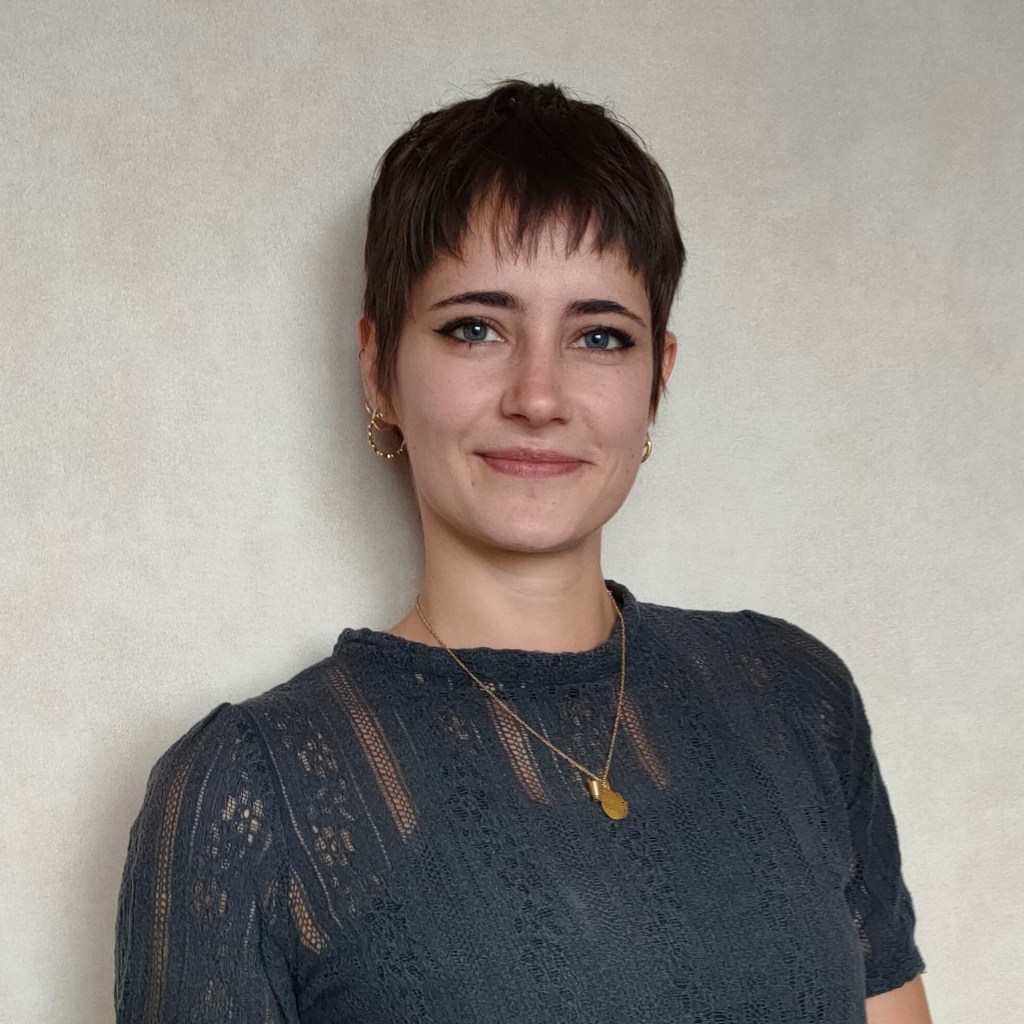
With a degree in political science and international relations, I first worked as a geopolitical analyst in the civil service in Paris. My interest in the mechanisms of violence, injustice, domination and submission, both in human societies and on the international stage, led me to investigate the psychological processes underlying these phenomena.
Over the years, I felt the need to get closer to the human being, to combine an analysis of interaction phenomena with a more intimate approach to human behaviour, integrating the emotional and cognitive dimensions that influence decision-making.
By turning to psychology, I set myself the mission of better understanding and helping to heal these internal and sometimes unconscious processes, which can result in emotional and relational difficulties, or even destructive behaviour towards oneself and others.
While each individual’s journey is deeply personal, it is always part of wider social, cultural and economic context from which they cannot totally detach themselves. My experience as an analyst in the human and political sciences enables me to support individuals in their inner work, while taking into account the external pressures that shape their experiences and suffering. Choosing the cognitive and behavioural therapy approach seemed to me to be an obvious choice, because it focuses on the individual’s immediate day-to-day life and the context in which he or she evolves.
To enrich my practice as a therapist, I have also chosen to specialise in art therapy. This decision stems not only from my desire to offer a more creative and holistic approach, but also from my long-standing passion for the arts. Writing, dance, theatre and painting have always been essential means of expression for me, tools for introspection and inner transformation.
In the same way, I want to offer the people I work with the opportunity to use the great tool that is the artistic medium: a channel of communication between the conscious and the unconscious and a powerful emotional regulator.
With extensive experience in France and abroad, I am sensitive to cultural differences and offer bilingual support (French-English).
Therapist in Cognitive and Behavioural Therapy (CBT) & Art-therapy
I offer therapy in English for people whose native language is not English.
I offer individual psychotherapeutic support to anyone (aged 16 and over) suffering from difficulties that impact their general mental wellbeing.
As a therapist trained in Cognitive and Behavioural Therapy (CBT) and cognitive behavioural Art therapy, my practice is based on exploring the interconnection between thoughts, emotions and behaviours.
My approach is centred on active collaboration with you, based on sympathetic listening, dialogue, psycho-education and the transmission of practical tools.
I offer to include art-therapy and/or walking therapy as a support to the therapeutic process, if the person wishes.
I pay particular attention to welcoming people from marginalised groups – whether in terms of gender identity, sexual orientation, religion, cultural or ethnic origin – ensuring that I offer a safe, non-judgmental space for therapy, where diversity is respected and valued.
Having lived and worked in France and abroad, I am mindful of the cultural and linguistic differences that shape our stories; I provide support in French and English.
 Salomé Larsonneau